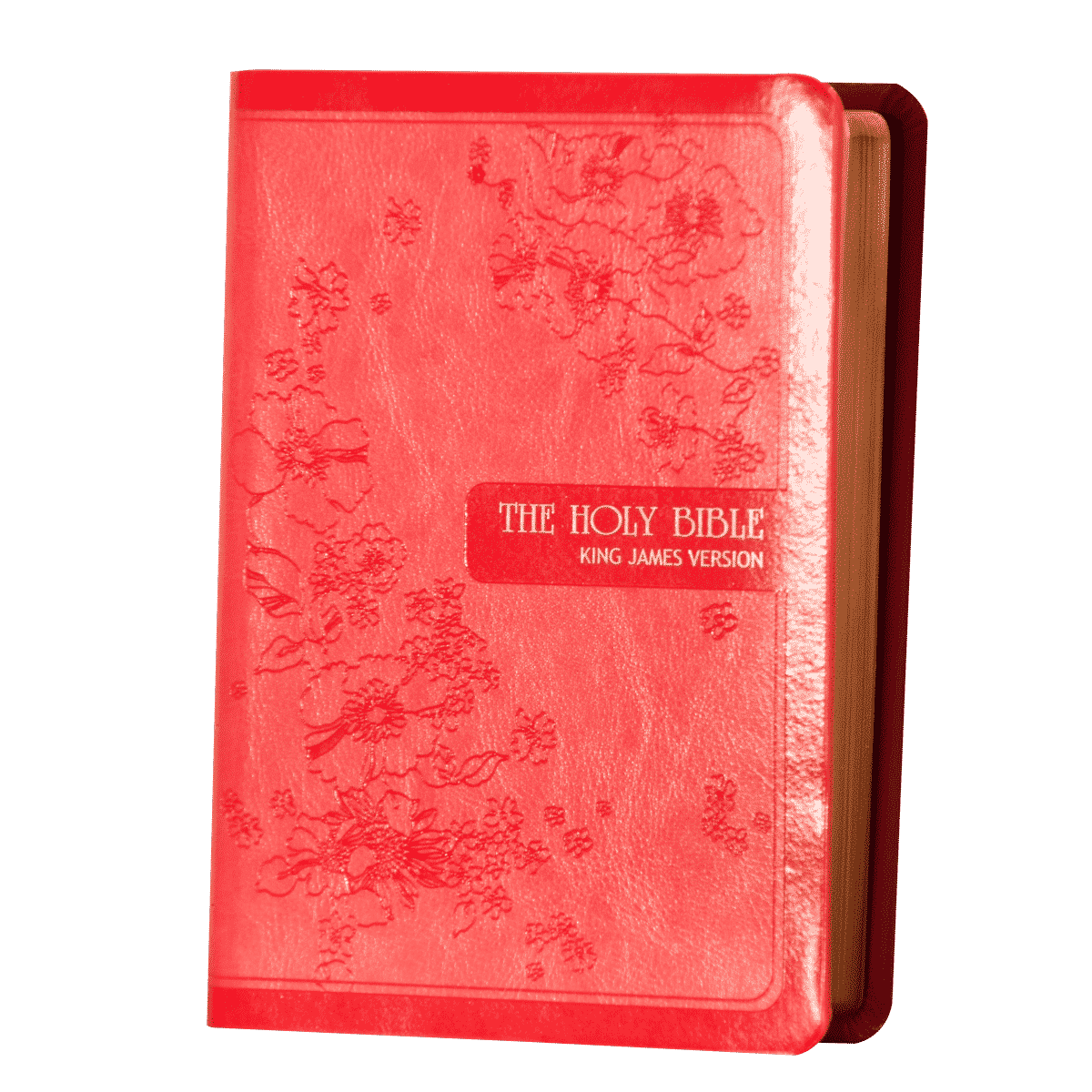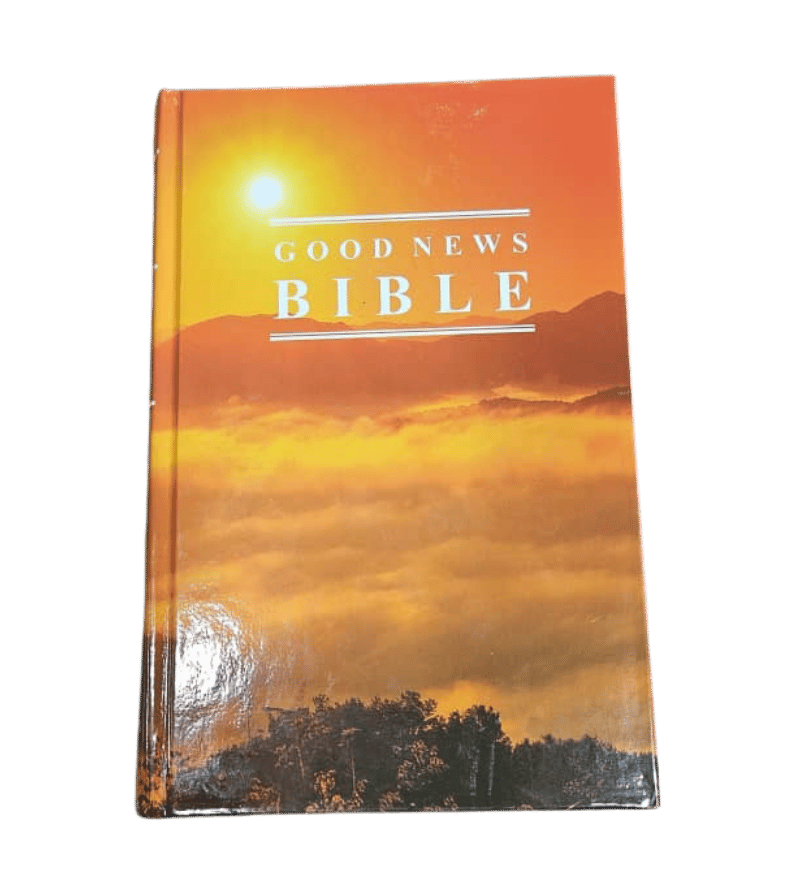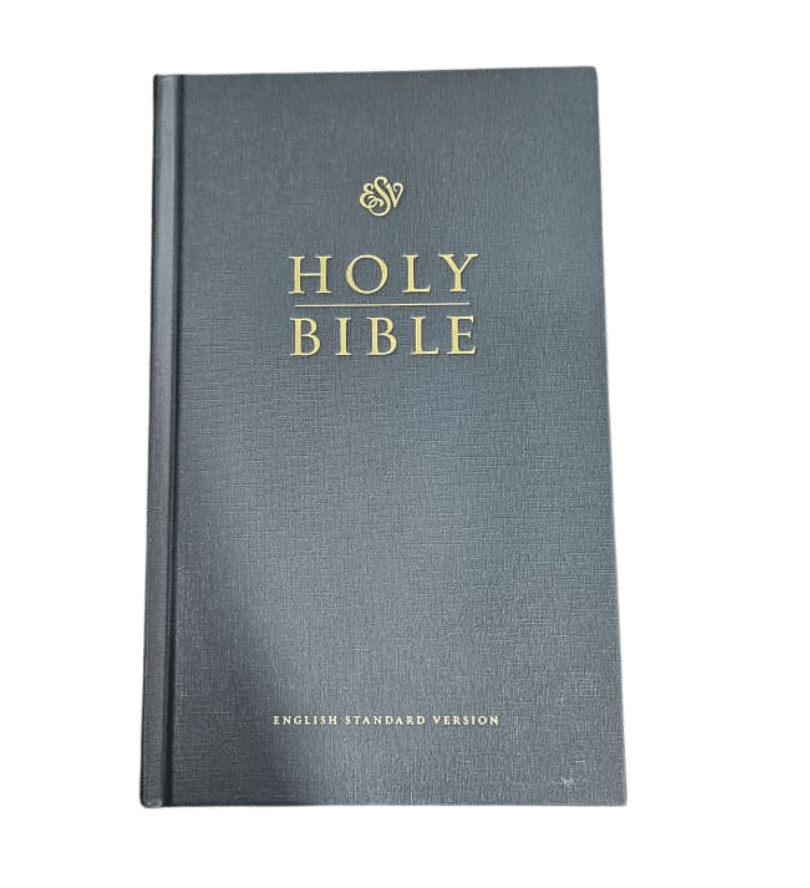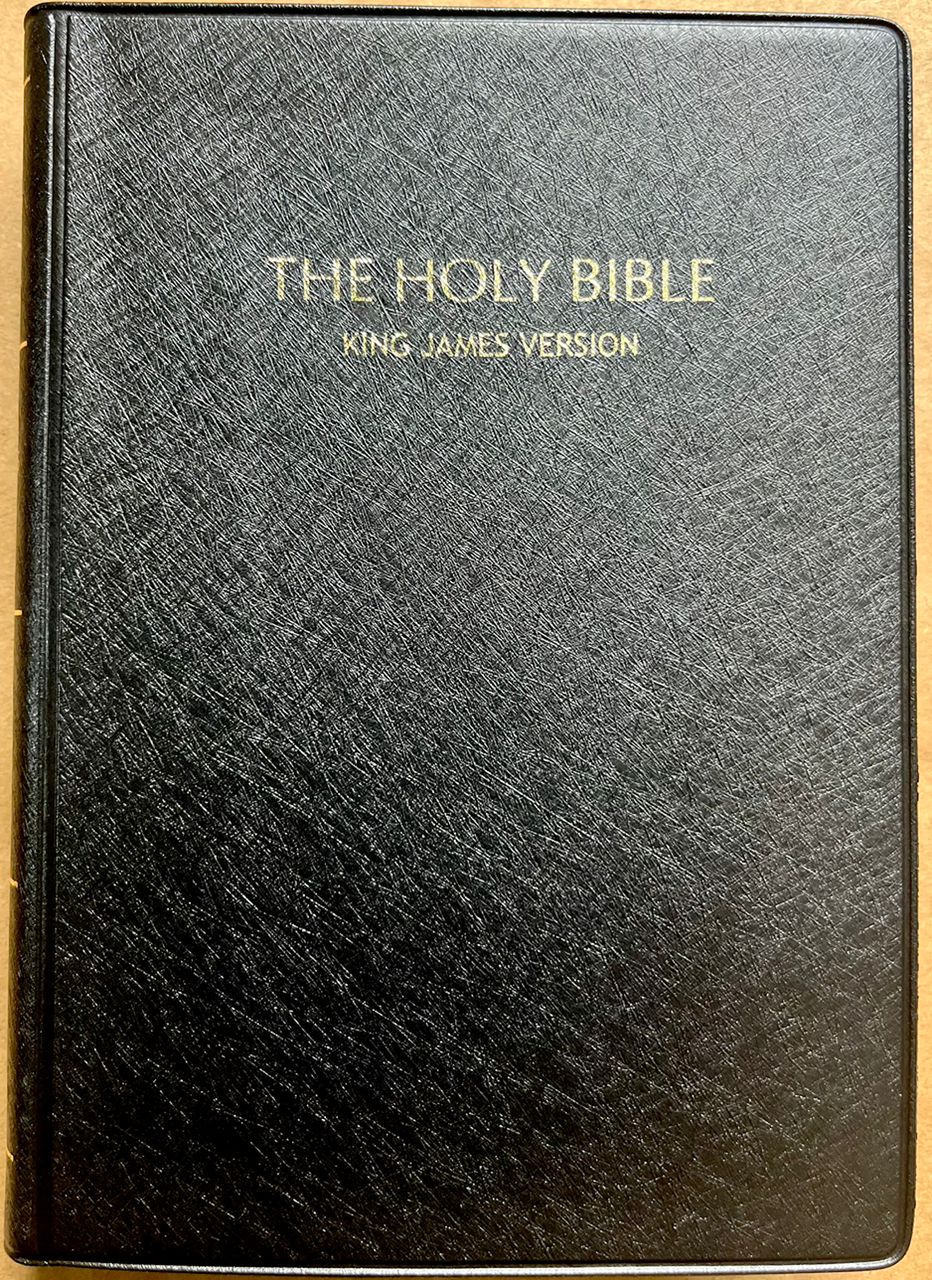


Many well-known Bible verses sound very different when we hear them in a clear form of our own language. A single word can feel softer or sharper, and suddenly the story lands in a new way.
Small choices in translation can shape how we see God, women and men, sin, and hope itself. This article walks through a few concrete examples and offers simple questions you can use as you study, with a calm and respectful tone toward different church traditions.
Why Reading Key Bible Verses in Your Own Language Changes So Much

Photo by Jesus Vidal
The Bible first came in Hebrew, Aramaic, and Greek, then moved through many centuries of translation. Each step brought gifts, but also new layers of church language and culture.
When we read in old church phrasing or in a second language, meaning can hide. Sometimes extra ideas slip in that the original text does not clearly say. A heart language, the language you think and feel in, lets you hear tone, wordplay, and emotion more clearly.
Bias, culture, and tradition all shape how phrases are chosen. Staying open, and comparing more than one translation, lets you grow in faith instead of throwing it away when something seems off.
Heart-Language Reading Helps Truth Land in Real Life
When you read Scripture in the language you speak at home, scenes feel real. You can picture faces, hear sarcasm or kindness, and notice if a line is poetry or command. Try asking, “What would this sound like if a friend said it to me today?”
Three Misunderstood Verses That Look Different in Clear Language
“You Shall Not Covet” (Exodus 20:17): Thought Crime or Harmful Action?
Many English readers think this command bans any desire at all. The Hebrew behind “covet,” as shown in tools like the Exodus 20:17 lexicon on Bible Hub, links desire with taking action that harms a neighbor.
The focus is not on having a passing wish, but on scheming to get what belongs to someone else. In a clear mother-tongue Bible, the verse can free people from shame over normal hopes, while still warning against greed that leads to theft, pressure, or abuse.
Eve from Adam’s “Rib” (Genesis 2:21-22): Spare Part or Equal Partner?
Many sermons picture Eve as made from one small extra bone. Yet the Hebrew word tsela often means “side,” like one side of a building. Scholars in resources such as Did Eve Come From Adam’s “Rib”? argue that “side” fits the context better.
In several local-language Bibles, readers hear God dividing one human into two equal partners. This picture supports respect and shared dignity between men and women, both at home and in church life.
“Camel” or “Rope” and the Needle (Matthew 19:24): Joke or Serious Warning?
Many people know the picture of a camel trying to push through a tiny needle’s eye. In Aramaic, the word can also mean “rope,” which paints an image of something thick and tangled that cannot pass through.
Read in everyday language, the verse about the rich person feels less like a strange riddle. It becomes a strong and clear warning: money can tie your heart in knots, and only God can cut the rope.
Simple Habits to Read Familiar Verses With Fresh Eyes
Try these small practices:
- Compare two or three translations in your own language.
- Check footnotes that mention Hebrew or Greek options.
- Read with a friend who shares your mother tongue and talk about tone.
- Ask how a verse shapes love, justice, and mercy, not only rules.
Study tools, pastors, and language experts can serve you, but your own story and language also matter as you meet the text.
Conclusion
When you read key Bible passages in a clear heart language, you often gain a more honest picture of God and people, not a weaker faith. Misunderstood verses about desire, women, and wealth can look different with better wording and bring new hope. This week, revisit one favorite verse in a fresh translation and notice what changes. If you are in Uganda, visit Kampala bible centre in Kampala, Uganda to buy Bibles in Ugandan local languages and English, Christian books, gifts, anointing oils, hymns, and more at a cost-friendly price.
Tags; Luganda bibles, Lusoga bibles, Ankole Bibles, West Nile bibles, Luo bibles, English bibles, Study bibles, gifts, anointing oil, kampalabiblecentre