

If you are raising children in a mixed-culture or migrant family, language questions show up in daily life. Which language do you use at the table, with grandparents, at church, during prayer? Those choices also shape how your child hears God’s Word.
A “heart language” (or mother tongue) is the language a person uses for deep feelings, comfort, and early memories. It is usually the language a child hears first in the home. Many Bible agencies talk about heart language because it reaches places in a person’s soul that a second language may not touch as deeply. You can read a clear explanation of this idea in this overview of heart language in Bible translation.
Thanks to decades of translation work, more than 4,000 languages now have at least some part of the Bible, which easily includes “more than 3,500” as many reports used in the past. Recent statistics from Wycliffe show thousands of languages with Scripture access worldwide on their Bible translation statistics page. This means many mixed-culture families can find Scripture close to their child’s first language, which supports deeper understanding, stronger family bonds, and respect for both parents’ cultures.
Why a Child’s Heart Language Matters for Faith
Children usually think, feel, and dream first in their heart language. When they hear “God loves you” in that language, it often lands with more clarity and warmth. The same words in a second language can feel distant, like reading subtitles on a movie instead of hearing the story straight.
Education research shows that children learn best in their first language, with stronger comprehension and memory. Resources like the Multilingual Learning Toolkit’s guidance on home language development confirm that using the home language supports attention, learning, and confidence. The same holds for Bible stories, prayer, and key words such as grace, forgiveness, or trust. Families around the United States and across the world share this challenge, so you are not alone.
Head, Heart, and Identity Working Together
Heart language reaches both the mind and the emotions. Picture a child who hears “I love you” from a parent. In the language that parent uses to comfort them when they are hurt, those words feel safe and familiar. When the same child hears “God loves you” or “The Lord is my shepherd” in that same language, Scripture connects with their sense of home. Using that language in family Bible times quietly teaches that their culture and story are part of God’s story, not something to hide or lose.
Practical Ways to Teach the Bible in a Child’s Heart Language
Parents in mixed-culture homes are often busy and tired, and some feel shy about their accent or limited vocabulary. Simple, steady habits matter far more than perfect speech.
Start Small with Short Stories and Key Verses
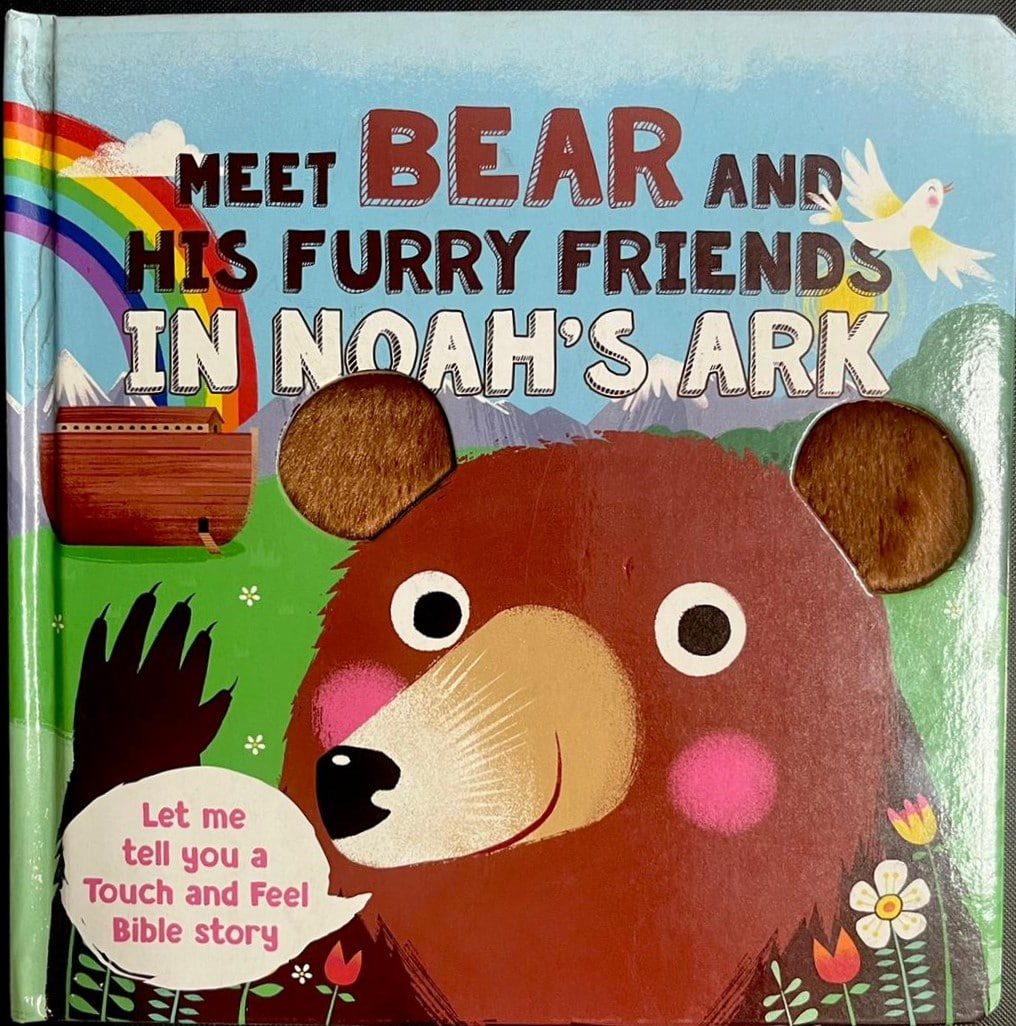
Begin with well-known stories like Creation, Noah, David and Goliath, or Jesus welcoming the children. Read or tell only a few verses in your child’s heart language. Then repeat the main idea in very simple words. Choose one short verse for the week, say it together each day, and use it during normal moments like car rides or meal times.
Mix Languages Wisely in a Mixed-Culture Home
Many families find it helpful to choose clear patterns. For example, one parent usually reads the Bible in English, the other in the heritage language. Or weekday readings happen in the heart language, while Sunday church uses the community language. A gentle rhythm is to pray at bedtime first in the heart language, then add a short English prayer so children learn that Jesus is present in both sides of their life.
Use Apps and Children’s Bibles in Many Languages
More and more children’s Bibles, storybooks, and audio Bibles exist in many languages. The free YouVersion Bible App for Kids offers animated stories and audio in several languages, which you can listen to together. Translation groups like Wycliffe’s kids resources also provide stories, downloadable activities, and videos that help children value their own language as a good place to hear from God.
Keeping Peace and Unity When Parents Have Different Traditions
Mixed-culture couples sometimes disagree about language, church style, or which Bible version to use. Tension rises if one side feels ignored or if a grandparent worries their language will disappear. It helps to remember the shared hope behind every choice: you want your child to know Jesus clearly and feel safe with both sides of the family.
Agree on Simple Shared Goals for Your Child’s Faith
Sit together and name three or four big goals in plain words, such as:
- Loved by God: “We want our child to know they are loved by God and by us.”
- Joy in Scripture: “We want them to enjoy the Bible, not fear it.”
- Honor both languages: “We want them to respect Grandma’s language and the school language.”
When these goals are clear, it becomes easier to decide when to use each language and which Bible resources to choose. You can check new plans against the same shared vision.
Conclusion
Teaching the Bible in a child’s heart language is a gift, not a rule. Even small efforts, like one short story and one memory verse this week, can leave a deep mark. If you feel weak in your own language skills or pressed for time, remember that God works through humble, steady steps. For families in Uganda, you can visit KAMPALA BIBLE CENTRE in Kampala to buy Bibles in Ugandan local languages and English, Christian books, gifts, anointing oils, hymnbooks, and more at a cost-friendly price. Take one simple step today, trusting that the God who speaks every language will meet your family where you are.